From Awareness to Care
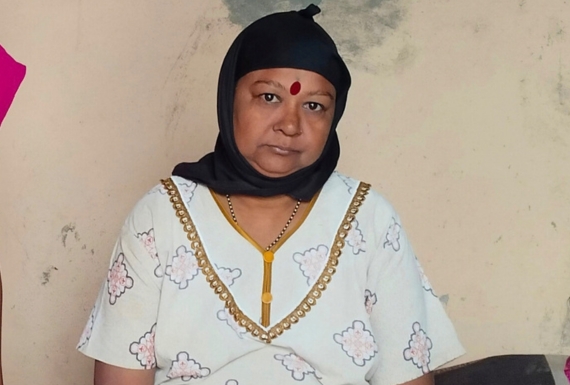
At 46, Asha Kalyan Musale, a mother of three from the Lohagaon Dhokafal PHC area, had never imagined that a health awareness session in her village would become the first step in her own journey with cervical cancer.
Asha lives with her family, including her two daughters and one son. Like many women in rural communities, access to timely and specialised healthcare can be challenging. Her experience shows how awareness, screening, referral, treatment and continued follow-up can come together to support a person through a difficult health journey.
It Started with a Conversation
For many women, talking about cancer can be difficult. Fear, limited information and uncertainty about where to seek care can often prevent women from getting screened or seeking medical attention when symptoms appear.
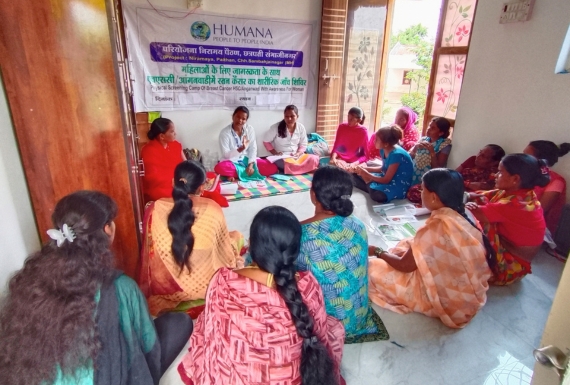
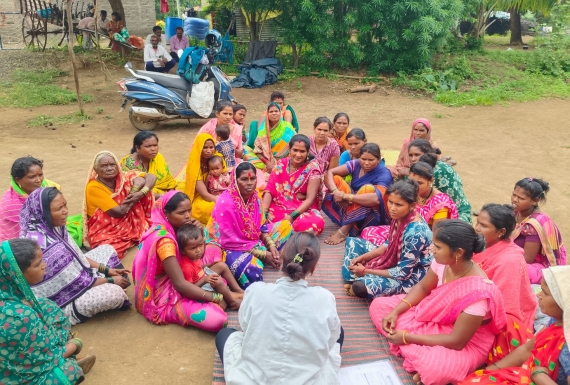
For Asha, a conversation at a women’s Health Group meeting in her village became an important first step.
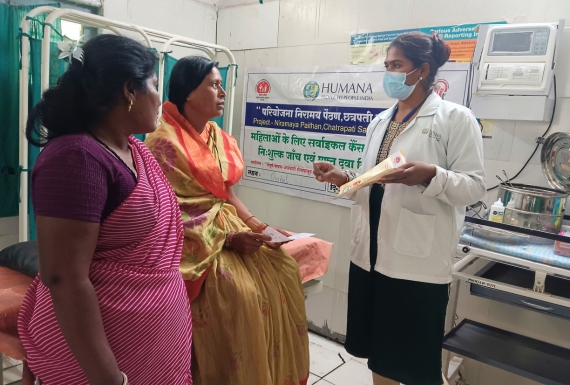
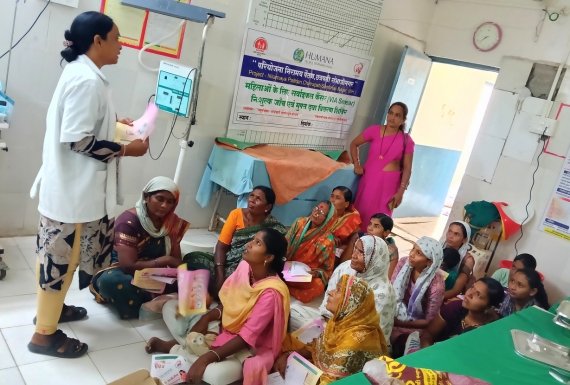
In February 2025, Asha attended a session where she learned about cervical cancer, its warning signs, prevention and the importance of regular screening. The health team also explained the VIA (Visual Inspection with Acetic Acid) test and encouraged eligible women to get screened.
At the time, Asha could not have known how relevant that information would soon become to her own life.
A Screening Result That Needed Follow-Up
In April 2025, Asha underwent VIA screening. She had also been experiencing abdominal discomfort and abnormal vaginal discharge. Her screening result was VIA positive, and she was advised to visit a higher health facility for further examination and treatment.
The referral was an important step, but reaching specialised care was not immediate. For nearly six months, Asha was unable to access definitive treatment while her symptoms continued.
As her condition became more concerning, she eventually sought further medical care. On 5 November 2025, she visited a cancer hospital for detailed examination and investigations. She was diagnosed with cervical cancer and advised to begin treatment.
For Asha and her family, this marked the beginning of a difficult journey.
Beginning Treatment
A cancer diagnosis can bring uncertainty for an individual and their family. For Asha, it meant beginning treatment while continuing to manage the demands of everyday life.
She started chemotherapy on 27 November 2025 and completed three cycles by 30 January 2026. Each treatment visit marked another step in Asha’s journey, requiring strength, determination and the support of her family and healthcare providers.
Staying Connected Beyond Screening
For Project Niramaya, supporting a person does not end with screening or referral. Maintaining a connection with people as they navigate the health system is an important part of community-based care.
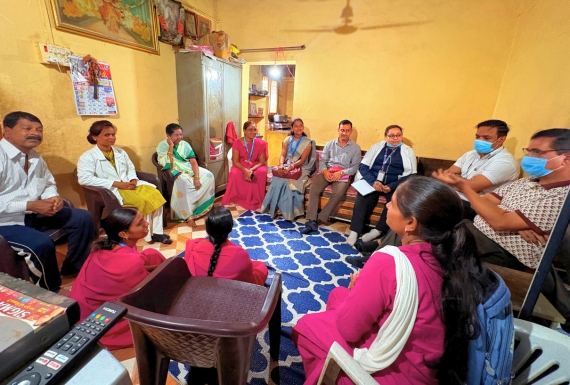
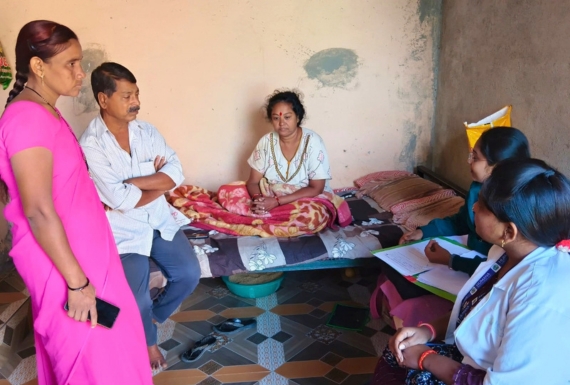
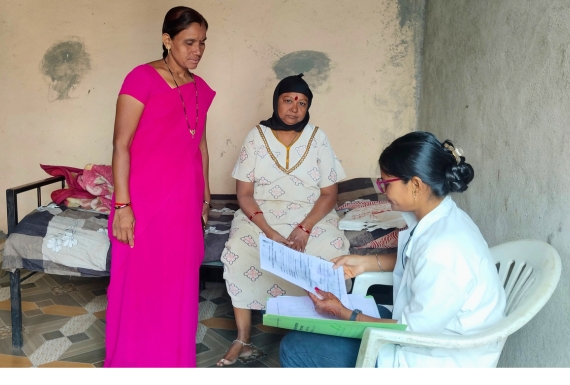
The Project Niramaya health team continued to follow up with Asha and her family through home visits. The team checked on her health, discussed treatment-related information, provided counselling and encouraged her to continue with the medical care recommended by her healthcare providers.
These visits also created space for Asha and her family to ask questions, share concerns and understand the importance of continued treatment and follow-up.
The involvement of her family has been an important part of this journey. Their presence reflects something often overlooked in healthcare: treatment affects not only the individual, but the people who stand beside them.
From Awareness to a Continuum of Care
Asha’s experience shows why each link in the care pathway matters.
Awareness → Screening → Referral → Diagnosis → Treatment → Follow-up → Continued Support
The initial awareness session gave Asha information about cervical cancer and screening. The screening helped identify a concern and led to a referral for further examination. The subsequent diagnosis connected her to treatment, while continued follow-up helped keep her connected with care.
Community-based health programmes cannot replace specialised medical treatment. Their role is different but equally important: bringing health information and screening closer to communities, helping people understand when and where to seek care, supporting referrals and maintaining connections with individuals and families during their healthcare journey.
A Journey Shared with Family
Cancer can place an emotional, social and financial burden on families. For Asha, the support of her family has been an important source of strength.
During follow-up visits, the Project Niramaya team engages with Asha and her family, creating an opportunity to discuss her care and reinforce the importance of following medical advice and staying connected with healthcare services.
For the health team, every follow-up is also a reminder that behind a screening result is a person whose journey does not end when they leave the screening site.
Asha’s Story, and Why It Matters
Asha’s story is about more than a cervical cancer diagnosis. It is about what can happen when awareness reaches a community, when screening creates an opportunity to identify a health concern, and when people receive support to navigate the next steps.
It also highlights the importance of timely referral and access to treatment. A positive screening result is only the beginning. The real impact comes when people are able to move from identification to diagnosis, treatment and continued care.
Asha continues her journey with courage, supported by her family, healthcare providers and the Project Niramaya team.
Her experience reminds us that:
Behind every screening result is a person.
Behind every referral is a need for support.
And behind every treatment journey is a life that deserves care, dignity and hope.
Through Project Niramaya, HPPI continues to work with communities and the health system to strengthen awareness, screening, referral and follow-up for communicable and non-communicable diseases.