Livelihood
Gender equality is not only a fundamental human right, but a necessary foundation for a peaceful, prosperous and sustainable world. Our livelihood initiative supports the eradication of poverty and reduction of inequalities for the socio-economic development of the marginalised. Through our livelihood projects:
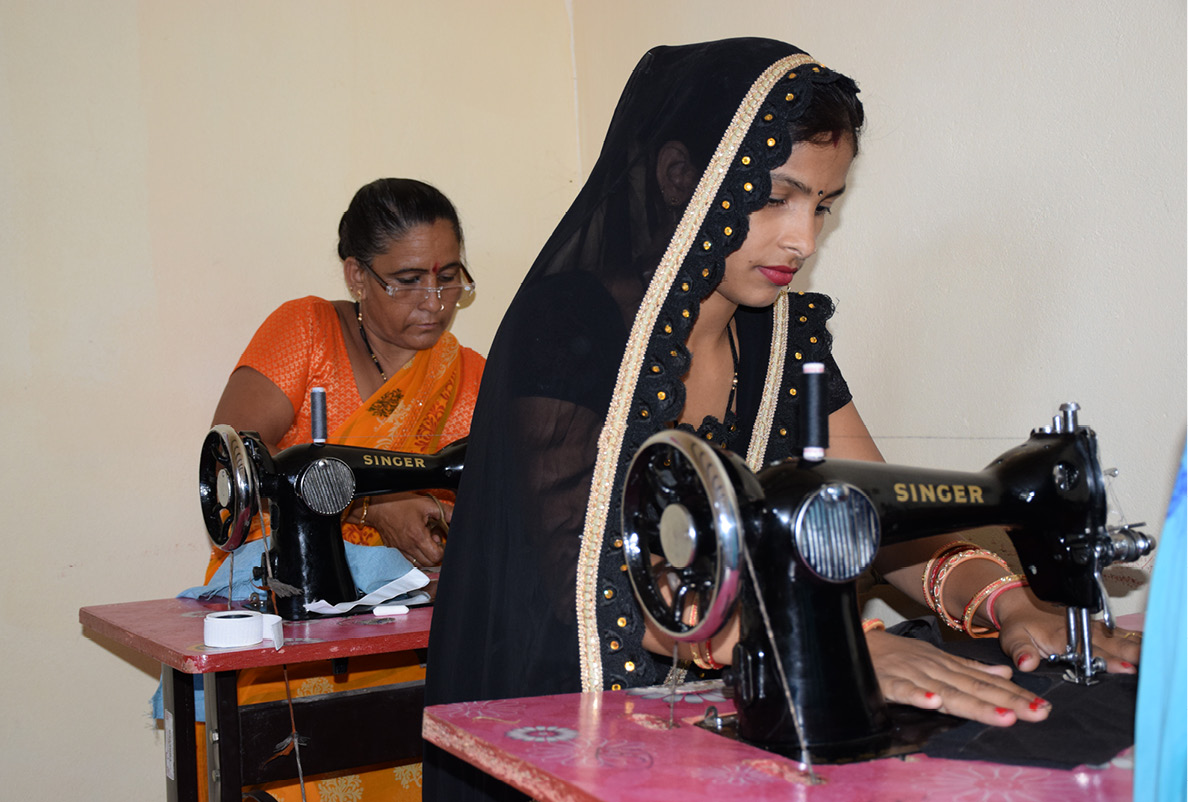
- Women are enabling with functional literacy and skills through vocational training
- Women are supporting through intensive entrepreneurship development training and business development
- Women enhance their understanding of entrepreneurship information, livelihood opportunities, and setting up of new businesses and their growth
- Women collectively create sustainable changes for a better future by building entrepreneurial ecosystem
Creating equal opportunities for women
Women are often deprived of access to resources and denied participation in decision-making. They face discrimination in family and society. Their hard work does not get financial rewards as most of it is considered household work. Lack of access to education denies them opportunities to earn money and practice their agency. Our projects are designed to balance gender disparities by empowering women with relevant set of knowledge and skills, with the ultimate aim of ensuring their self-reliance.
In alignment with SDG 5, we aim at achieving gender equality and empowering all women and girls through skill training and better livelihoods and income generation activities. The projects bring qualitative changes in the lives of women. Through our Livelihood Projects, women are enabled with training for developing functional literacy, vocational skills, business development skills and financial literacy. Facilitating linkages to social security schemes and the market are also essential in our ecosystem-based approach. Supporting the livelihoods and business of women not only mitigates the gender imbalances, but it also has ripple effects that boost the overall economy.
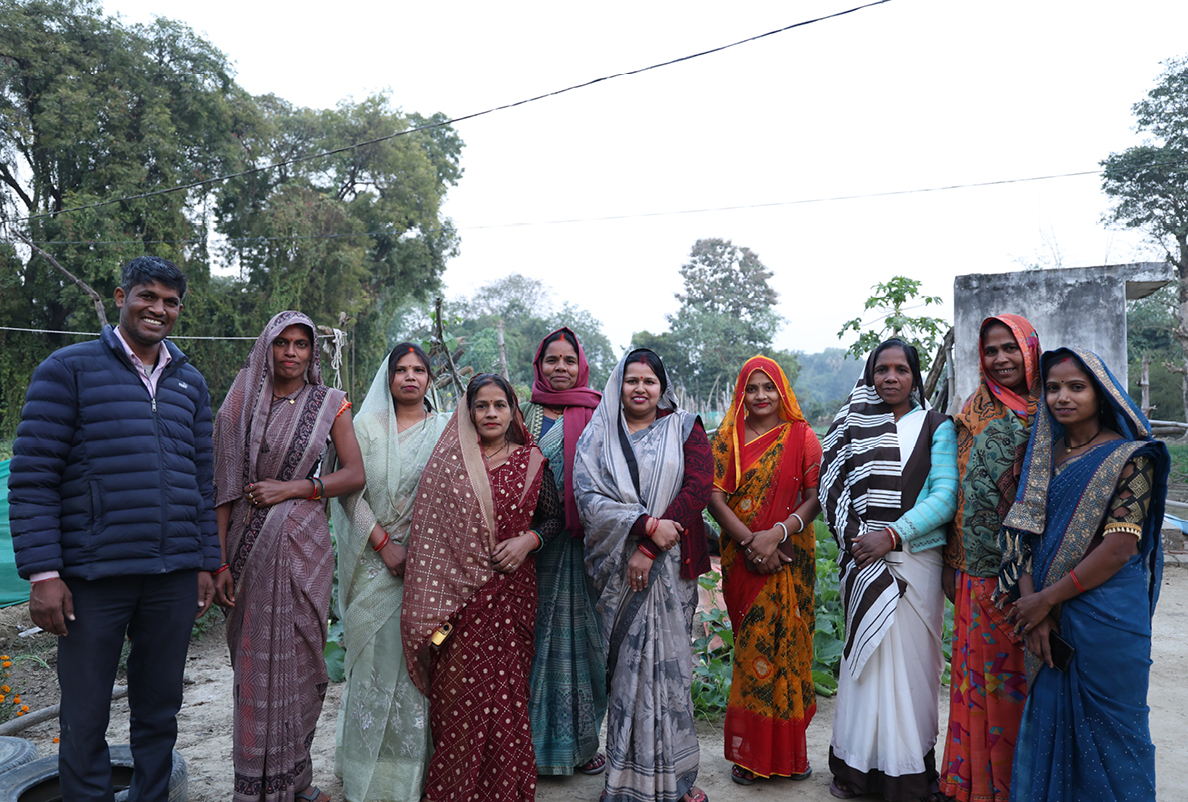
Women are often deprived of access to resources and denied participation in decision-making. They face discrimination in family and society. Their hard work does not get financial rewards as most of it is considered household work. Lack of access to education denies them opportunities to earn money and practice their agency. Our projects are designed to balance gender disparities by empowering women with relevant set of knowledge and skills, with the ultimate aim of ensuring their self-reliance.
Entrepreneurship Development Training and Financial Literacy
Since 2016, HPPI has been providing entrepreneurship Development training (EDT) to women who are interested in starting or expanding their own income-generating activities. It helps in strategically planning the expansion of their existing businesses through mentoring and supporting start-up ideas for resolving any social, cultural, or business level conflict. The local enterprise ecosystem is considered to help minimise systemic risks for potential business women. Project Disha is empowering and enabling women to become financially independent by creating an entrepreneurial ecosystem for economic security in Assam, Uttar Pradesh and Rajasthan.

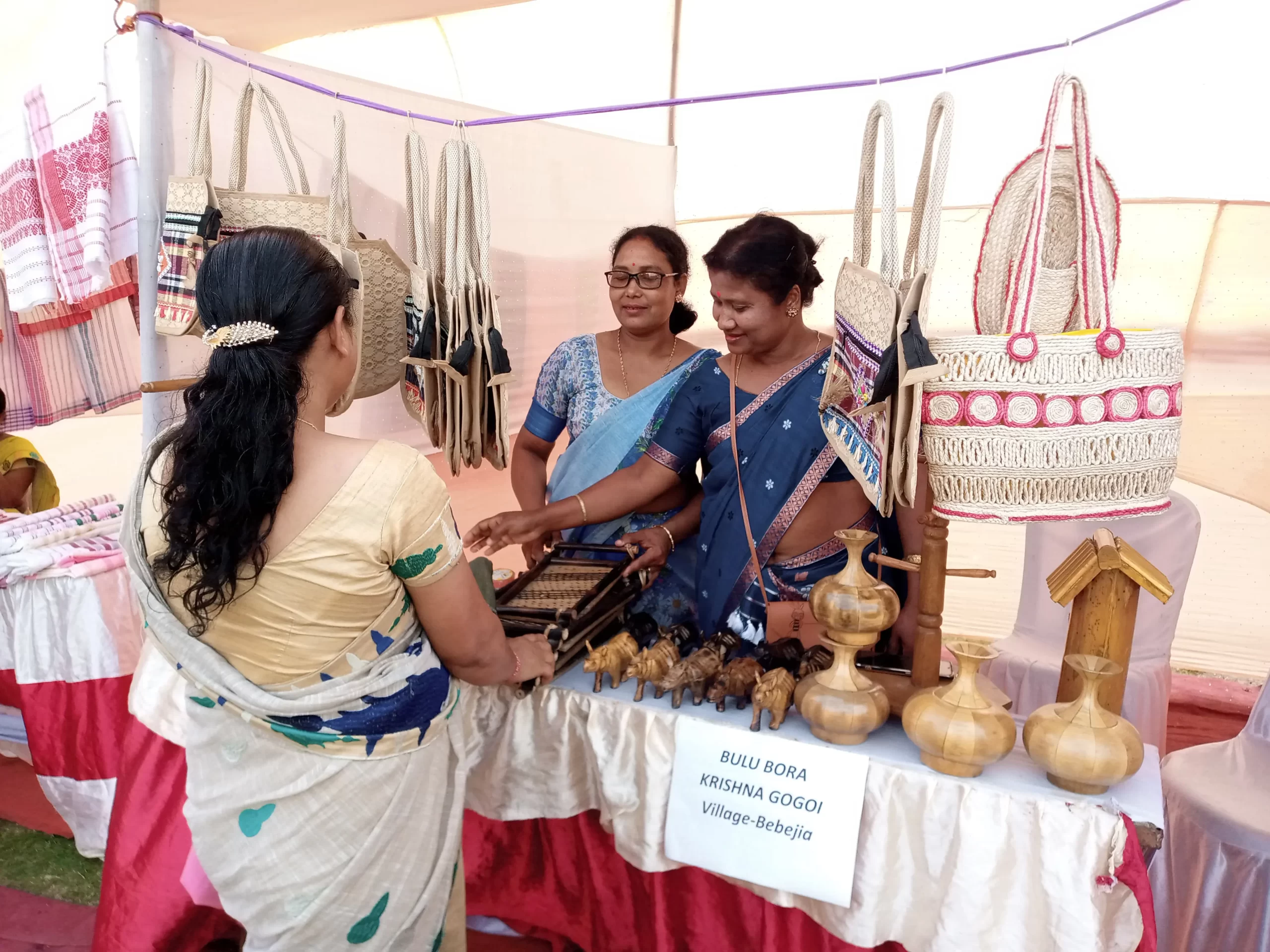
Promoting innovative businesses involving bamboo craft, banana fibre among others is considered in our projects designs. Inventive solutions for execution in some of the projects include making experienced women entrepreneurs from the project as aggregators or Biz Sakhis functioning as service providers for new women entrepreneurs, thus improving the sustainability of the project.
The financial literacy training are comprehensive in nature and aims to equip women entrepreneurs with the skills and knowledge, necessary to thrive in today’s digital economy and achieve long-term financial stability. Online banking, the use of e-commerce and business management tools are emphasised in our interventions. Furthermore, maintaining a balanced budget, tracking expenses and financial planning is promoted. Women entrepreneurs are also linked to markets for scaling their businesses for entrepreneurs’ growth.
Functional Literacy & Vocational Skill Training
Our projects facilitate training for developing functional literacy including reading, writing and numeracy skills in women, which are crucial for their economic and social participation. Our interventions’ skill training sessions further support the women in gaining practical and income-generating skills. The training programmes are strengthened by collaborating with specialised organisations, ensuring that the participants receive high-quality instruction and resources.
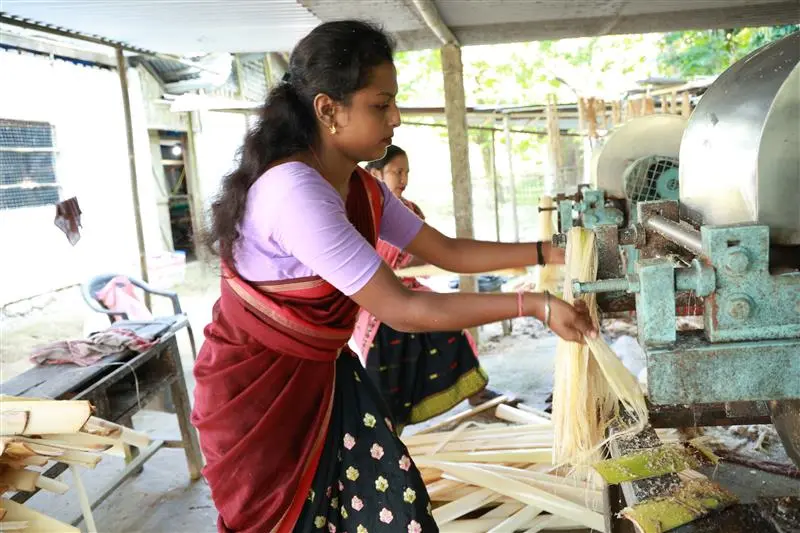
Women Collectives’ Optimisation
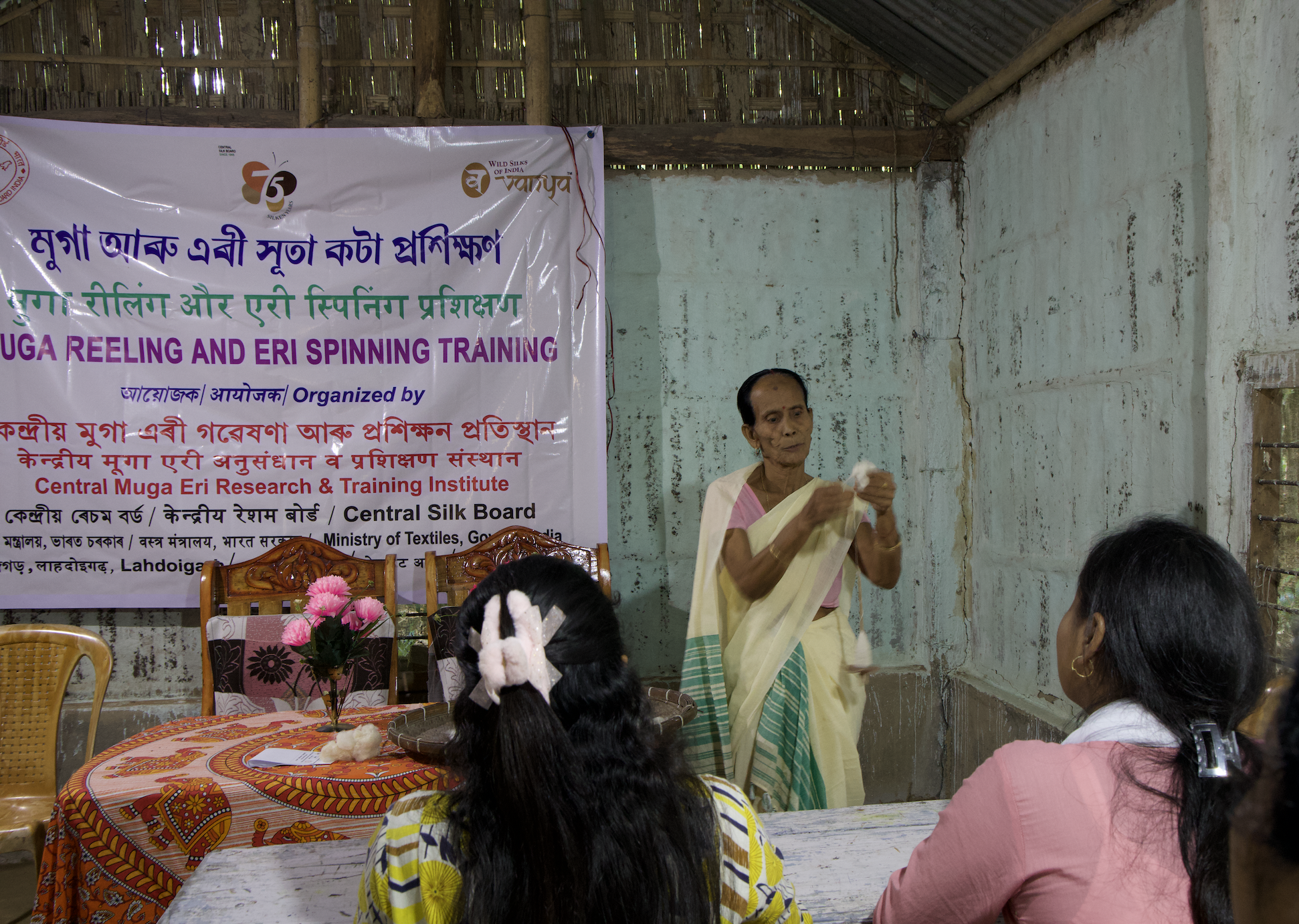
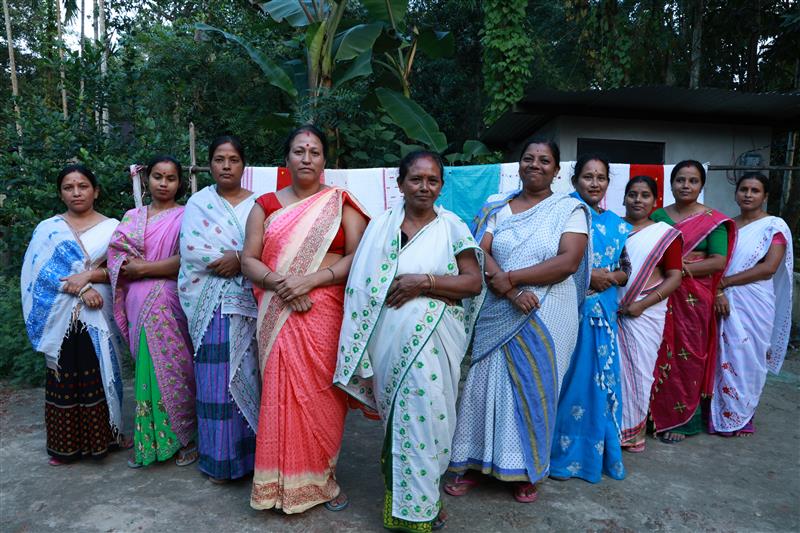
We optimise and align executing our work with cooperatives and self-help groups (SHGs) to scale our projects’ reach and make the developmental changes sustainable. HPPI utilises the cooperatives and SHG networks for promoting financial inclusion, entrepreneurship and social cohesion. For instance, Project Sashakt is building the capacity of women handloom cooperatives in Assam and enabling them to act as independent actors in promoting and facilitating economic security for women weavers associated with the cooperatives.
Stories from the field
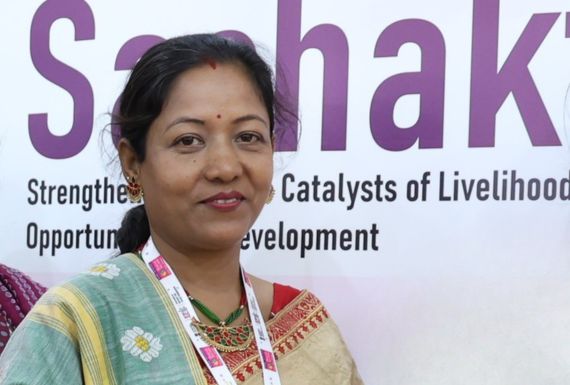
Women Learning: Steps Towards Confidence and Empowerment
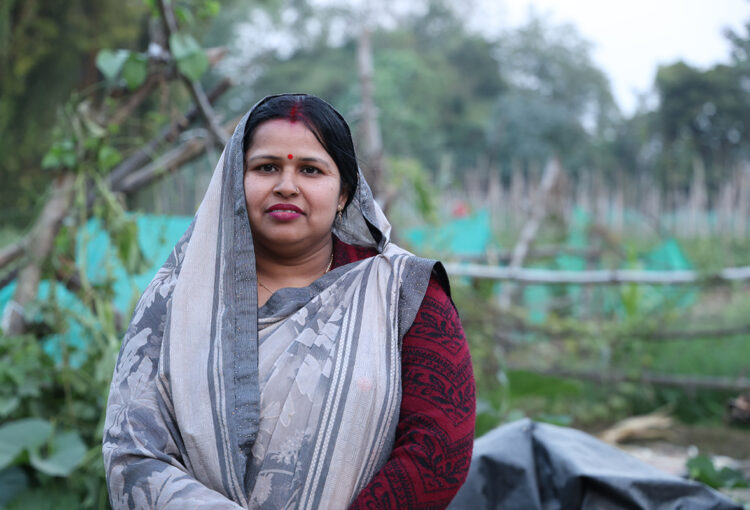
“Our work was already going on before, but then Sashakt came along. We were told there would be training, so we decided to attend. We learnt so many new things,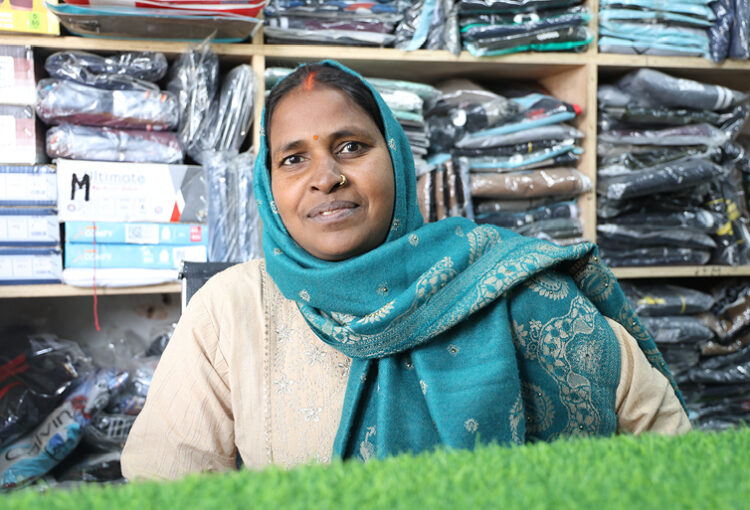
Confidence in Action
AntimaCommunity Entrepreneur,Aswan Urf Hajiganj, Prayagraj “My name is Antima. Before I opened this shop, I was part of a self-help group,” she says with quiet confidence. Antima lives in Hajiganj