Integrated Health Model: Advancing Comprehensive Community Healthcare
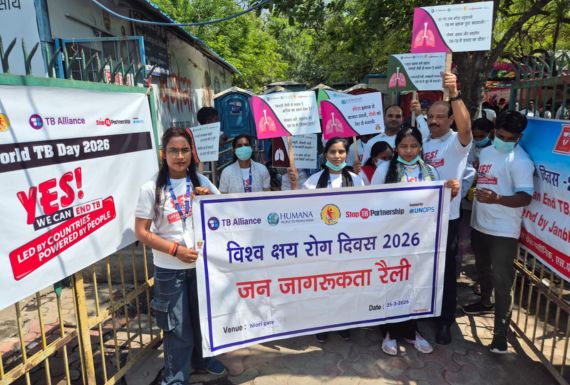
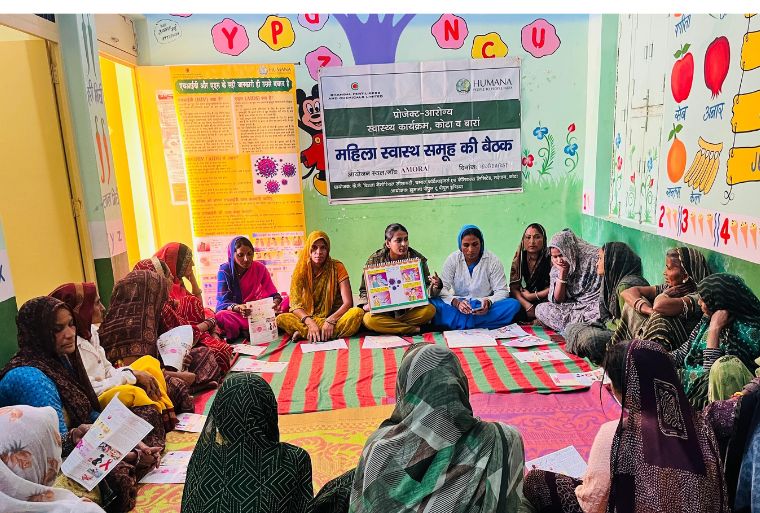
Humana People to People India is strengthening its integrated health model to deliver comprehensive, people-centred healthcare by addressing tuberculosis (TB) alongside non-communicable diseases (NCDs). Building on its successful experience of integrating TB services within HIV, maternal and child health, diabetes and hypertension programmes, HPPI is expanding this approach across its TB initiatives, including LEAD II and RESPECT, as well as through Integrated Community Development Projects such as Niramaya in Palwal (Haryana) and Aurangabad (Maharashtra) and Arogya project in Kota.
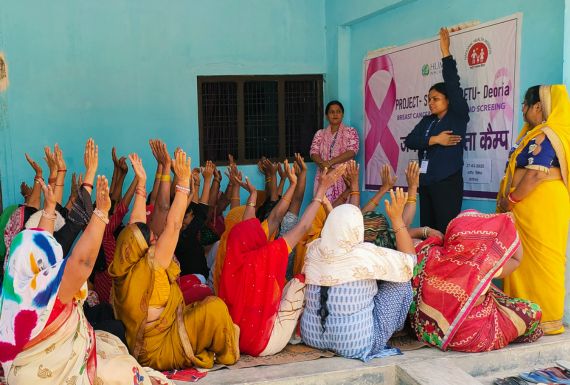
Through these programmes, community outreach activities go beyond TB awareness and screening to include early identification and referral for diabetes, hypertension and other common co-morbidities that increase the risk of TB and adversely affect treatment outcomes. Field Officers conduct household visits, promote health education, support treatment adherence and facilitate timely referrals, ensuring that individuals receive integrated and continuous care.

A key feature of HPPI’s integrated health model is bidirectional screening. People diagnosed with TB are assessed for diabetes, hypertension, and other co-existing conditions, while individuals living with diabetes and other high-risk groups are screened for TB symptoms and linked to diagnostic, treatment and preventive services. This coordinated approach enables early diagnosis, timely treatment, improved adherence, and better health outcomes.
The integrated model also strengthens collaboration between communities, public health facilities, and government programmes, creating a seamless continuum of care. By leveraging platforms such as LEAD II, RESPECT, and the Niramaya Integrated Community Development Projects, HPPI is reducing missed opportunities for diagnosis, improving access to essential health services, and addressing the underlying social and health determinants that influence disease outcomes. This holistic approach not only supports India’s TB elimination goals but also contributes to stronger primary healthcare systems and healthier communities.