Health
Our health projects operate through a community-based model as we work towards:
- Educating people on health-related issues and self-risk assessment
- Engaging community members in generating demand for a quality life and prompt health services
- Working in close cooperation with local health systems, including Women and Child care centers known as Anganwadi centers (AWCs) and frontline workers
- Improving nutrition amongst children, pregnant women, and lactating mothers
Tuberculosis (TB)
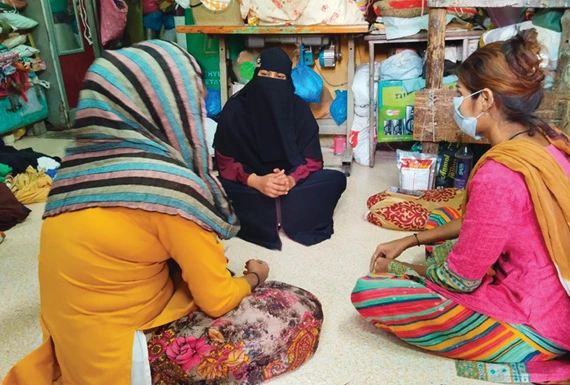
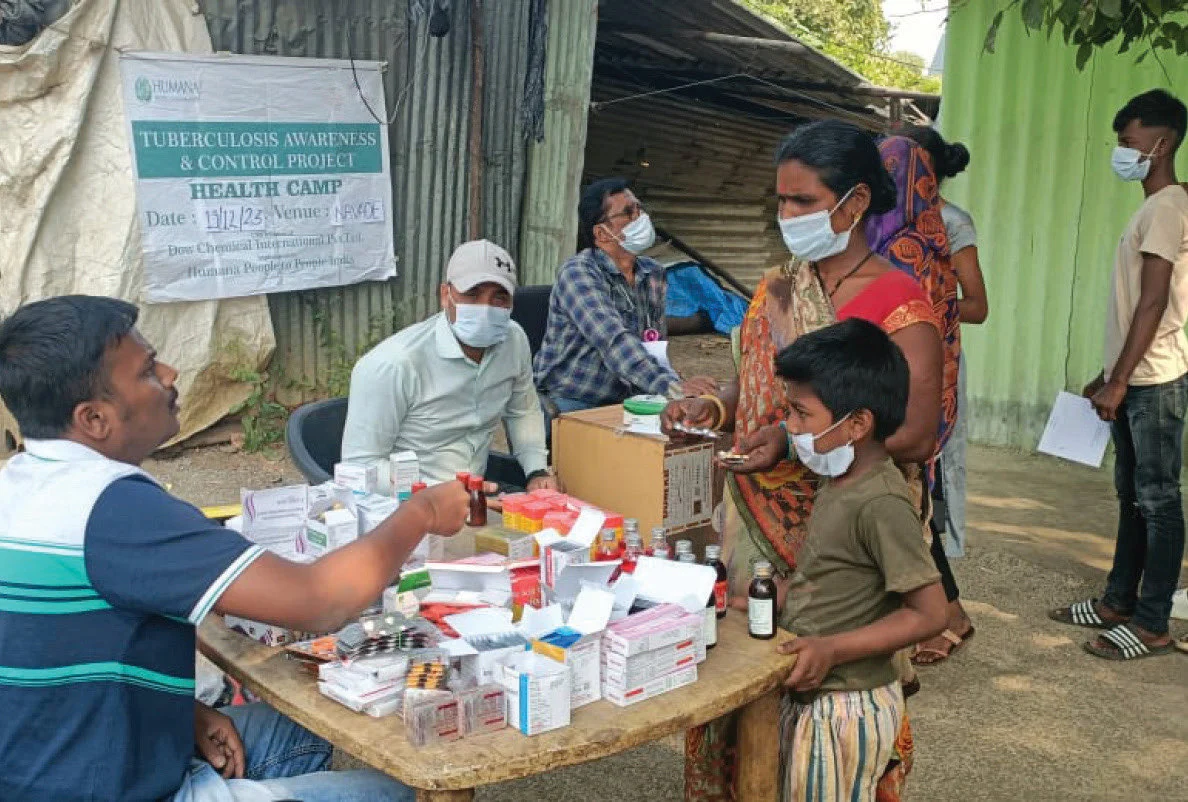
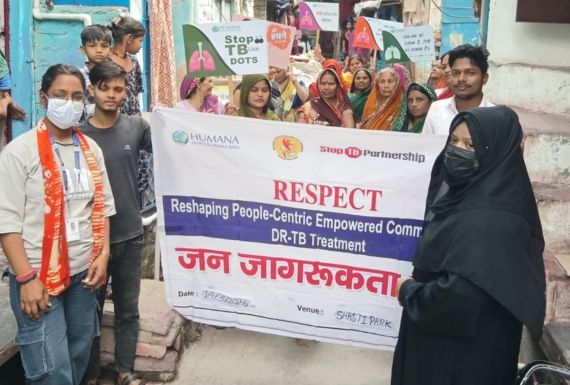
Tuberculosis remains a major public health challenge in India. Despite significant progress, India continues to carry the highest global burden, with 2.6 million TB cases notified in 2024-25, including a high number of people with Drug-Resistant TB and TB/HIV co-infections.
The Ministry of Health & Family Welfare, India prioritises reaching key and vulnerable populations (KVPs) through accessible screening, diagnosis, and treatment under the National Tuberculosis Elimination Programme (NTEP), with strong support from civil society partners.
Humana People to People India has been a partner since 2015 and have reached over 4.2 million people with TB information and screening leading to more than 7000 people diagnosed with TB and supported during treatment. TB projects have been implemented in Delhi and other of Indias mega cities, focusing on high-risk and hard-to-reach communities.
To learn more about HPPI’s decade-long work in TB, read the report:
Lessons Learnt from the Tuberculosis Projects in India (2015–2025)
HIV and AIDS
Since 2007, we have supported vulnerable and high-risk populations to achieve control of HIV and AIDS. We are now campaigners for HIV elimination by 2035. All our current HIV projects aim to implement the ‘three zero’ strategy of UNAIDS, which includes zero new HIV infections, zero AIDS-related deaths, and zero discrimination. We currently run targeted intervention projects and link workers’ schemes in Delhi, Telangana, and Uttar Pradesh, in partnership with the State AIDS Control Societies (SACS). We also work with high-risk population groups such as female sex workers (FSWs), MSM, Transgenders, People Who Inject Drugs (PWID), migrants, people living in the slums and people living with HIV and AIDS.
HIV prevention initiatives aim to empower the HIV-negative members of high-risk groups to maintain their negative status. We implement the programme through a scientific community-based approach of community education, skill development, awareness of safe sex practices, promotion of NSEP (Needle Syringe Exchange Programme) and OST (Oral Substitution Therapy) in the PWID, timely STI diagnosis and treatment, and robust peer outreach.
To learn more about HPPI’s two-and-a-half-decade journey addressing HIV and AIDS across the country, read the report: HIV AIDS Initiatives of HPPI (2001–2025)
Community Health
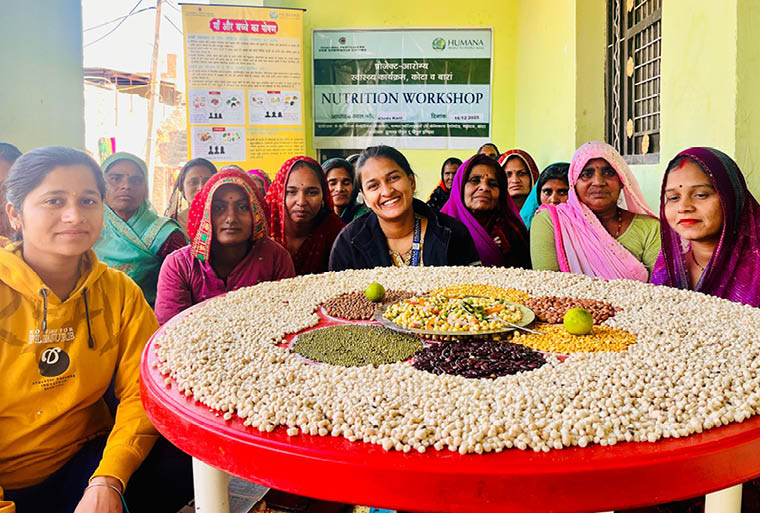
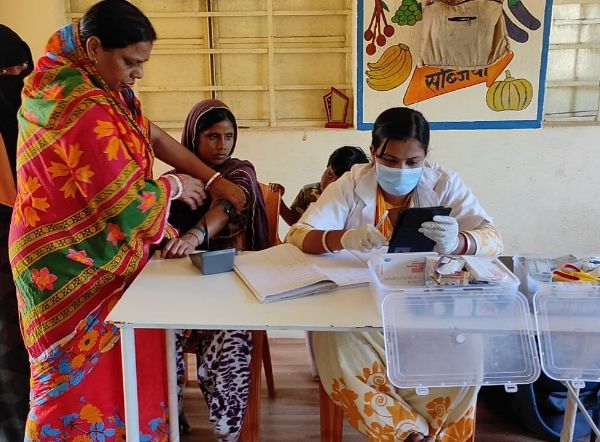
Our health initiatives provide essential preventive and curative healthcare to thousands of underprivileged people. The key components are organising regular health clinics, periodic health camps, and mobilising the local women’s health clubs. Mass scale deworming of children, distribution of iron-folic acid supplements among pregnant and lactating women, promotion of Oral Rehydration Solution (ORS) and Zinc supplements in diarrhea, treatment of general illnesses, and health education on Mother and Child Health (MCH) care are the key features of our community health services. Improving nutrition amongst children, pregnant women, and lactating mothers is an integral part of our interventions.
Over the last three years, we have worked with more than 1500 Women and Child care centers towards strengthening their functioning and building the capacities of the frontline health workers (ASHA workers, ANM and AWW) in 10 low-performing districts in 7 states such as Rajasthan, Chhattisgarh, Jharkhand, Uttar Pradesh, Himachal Pradesh, Maharashtra, and Telangana.
In response to the COVID-19 emergency, all our projects adopted COVID awareness norms and compliant screening activities.
Non-Communicable Diseases
With the growing burden of lifestyle-related illnesses in India, community-based non-communicable disease (NCD) interventions have become essential to promote prevention, early diagnosis, and timely care, especially among vulnerable populations.
Our health initiatives at Humana People to People India are addressing the rising burden of non-communicable diseases such as diabetes, hypertension, and mental health issues through awareness drives, early screening, detection, and linkage to appropriate treatment.
Screening and early detection programmes for breast and cervical cancer among women are also being implemented by HPPI in Karnataka, Maharashtra, Uttar Pradesh, and Haryana. All these interventions are carried out in close coordination with the government health system, including collaboration with Chief Medical Officers, Medical Officers in charge of Primary Health Centres, Community Health Officers, ANMs, ASHA, and Anganwadi workers, ensuring a strong and integrated response at the community level.

Stories from the field
As Giving Up Is a Sure Way to Fail, She Fought TB and Drug-Resistant TB and Now Helps Others Win Their Battle
Archana, a TB and multidrug-resistant TB survivor, overcame years of illness through determination and treatment adherence. Today, as a Field Officer with HPPI, she uses her lived experience to support
Yes, We Can End TB!
Manjit fell sick in July 2023. Despite consulting numerous doctors and undergoing various treatments, his condition deteriorated. He was diagnosed with tuberculosis (TB) with the help of community health worker