Strengthening District Health Systems: Partnership Advances Community Care for NCDs and TB in Palwal
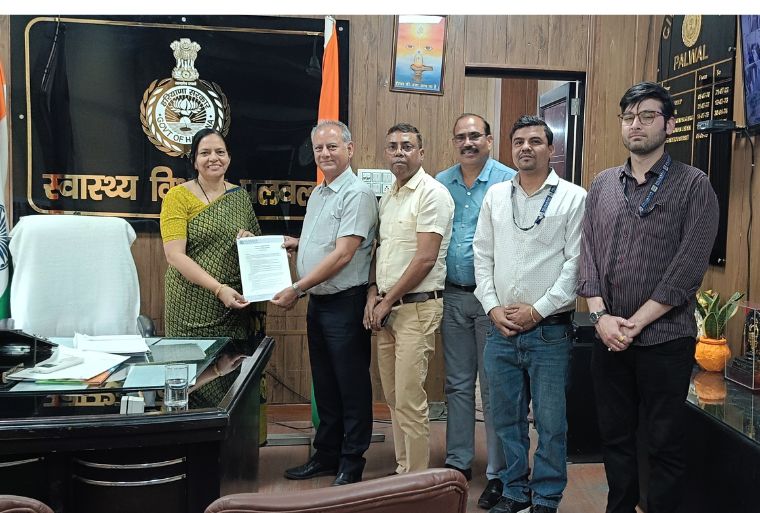
Humana People to People India (HPPI) has signed a MoU on April 9, 2026, with the Chief Medical Officer, Palwal, aimed at strengthening healthcare systems and improving health outcomes in Palwal district, Haryana, especially in the areas of Non-Communicable Diseases (NCDs) and Tuberculosis (TB).
In many communities, the rising burden of Non-Communicable Diseases (NCDs) and Tuberculosis (TB) continues to challenge public health systems, especially among marginalised populations who often face barriers to early diagnosis, treatment, and sustained care. Conditions such as diabetes, hypertension, and cancers — including oral, breast, and cervical cancer — along with mental health concerns, require sustained awareness, regular screening, and strong linkages to healthcare services. Addressing these health challenges demands coordinated action, strengthened health systems, and community-based interventions that bring services closer to those who need them most.
This initiative focuses on the prevention and management of NCDs such as diabetes, hypertension, and cancers including oral, breast, and cervical cancer, along with mental health and tuberculosis prevention. Through this collaboration, HPPI will conduct awareness campaigns, community mobilisation activities, and health screening camps. Project team members will work closely with Medical Officers, ANMs, and ASHA workers to serve the community effectively.
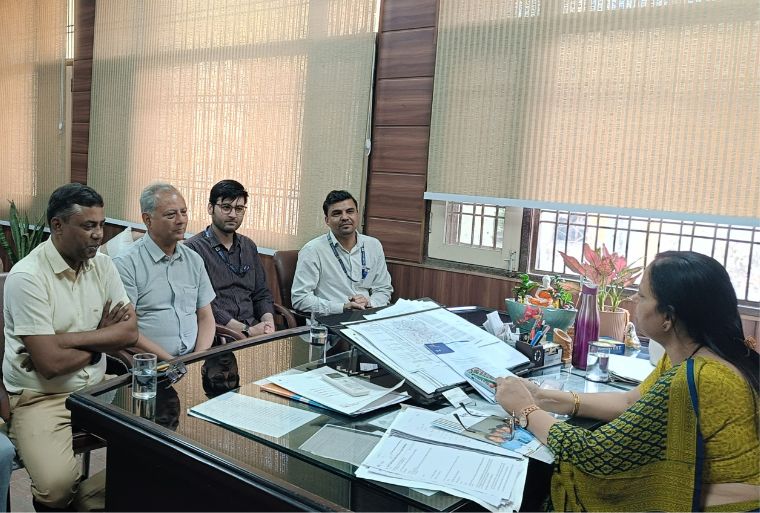
The MoU was formally signed by Dr. Satinder Vashisht (Chief Medical Officer, Palwal) and Sanjeev Bhatt (Director, HPPI), in the presence of Chandan Verma, Natthu Singh, Kishor Gour and Dr. Gopal, reflecting strong institutional collaboration and shared accountability for improving public health outcomes in the district.
Under this partnership, the CMO’s Office, along with the district health team, will provide technical guidance and system-level support, while HPPI will ensure implementation in adherence to public health standards. Regular monitoring, reporting, and evaluation mechanisms will be followed to ensure effective execution, transparency, and sustained impact.
Such collaborative interventions are essential for building resilient health systems and ensuring that preventive healthcare services reach vulnerable and underserved communities. When institutions and communities work together, they create pathways for healthier lives, stronger systems, and more equitable access to care for all.