Project Swasthya Setu Organises Dissemination Events
Humana People to People India’s (HPPI) Project Swasthya Setu organised dissemination events to share its learning and impact from its work, aimed at strengthening early breast cancer detection and improving women’s health outcomes through community-led action. The Project was operational in Deoria (Uttar Pradesh) and Ballari (Karnataka) from February 2025 to January 2026.
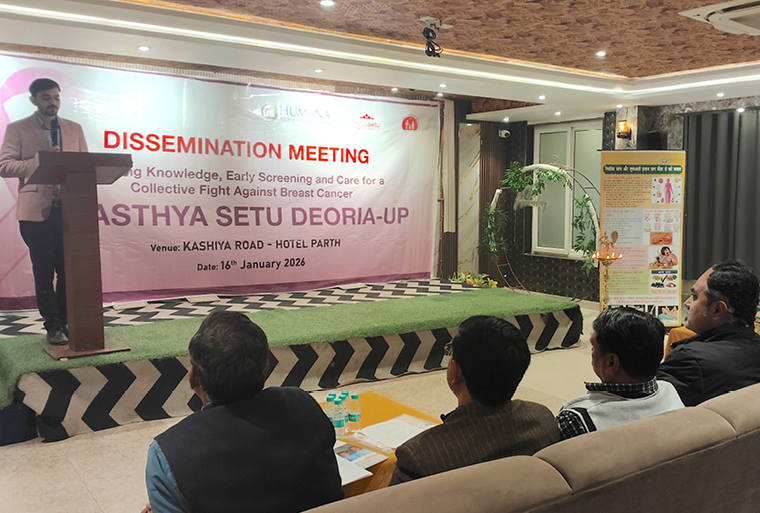
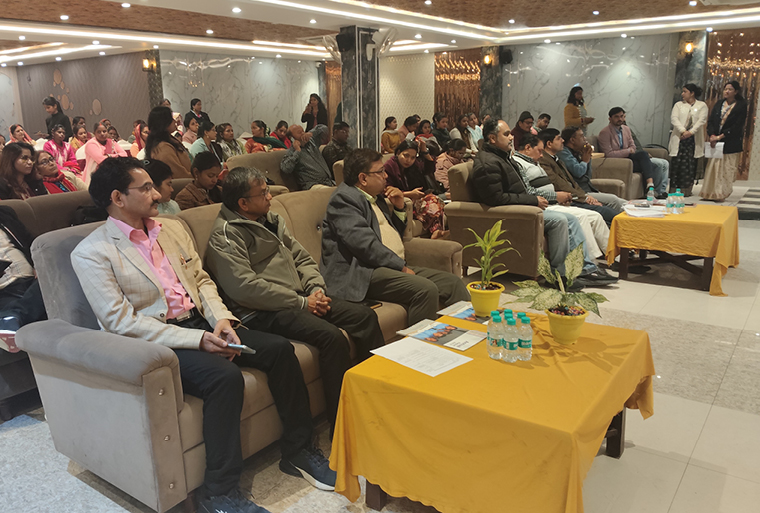
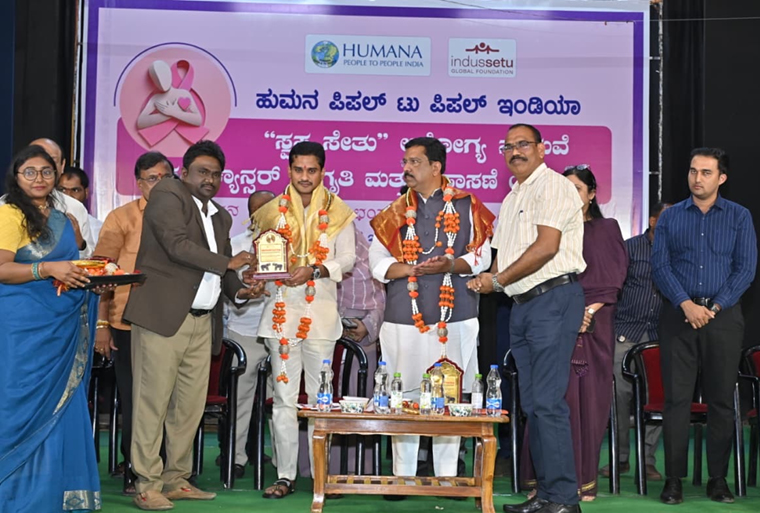
Two district-level dissemination meetings were organised in January 2026 in Ballari and Deoria. These platforms brought together health officials, frontline workers, and programme teams to reflect on progress and reinforce collective ownership of preventive healthcare.
Through the project’s systematic community outreach, 235,100 women were screened for breast cancer. Among them, 453 women reported noticing unusual symptoms such as lumps, pain, discharge, or changes. As a result of timely referrals and follow-up, 26 breast cancer cases were confirmed, and 20 women have already initiated treatment—demonstrating the life-saving potential of early detection.
The cornerstone of Project Swasthya Setu has been the training of Accredited Social Health Activists (ASHAs) as health educators. With patience, trust, and respect, ASHAs simplified medical information, demonstrated breast self-examination step by step, and ensured women understood the importance of follow-up. Their role went far beyond awareness—ASHAs accompanied women to Primary Health Centres and district hospitals, explained procedures, supported conversations with families, and remained present throughout the referral process.
This unwavering support resulted in an 88% referral completion rate, significantly higher than national averages. Testimonials from women beneficiaries consistently highlighted how timelyscreening, counselling, and accompaniment helped them overcome fear and access care early.
By enabling early detection and timely referrals, Project Swasthya Setu has contributed towards reducing the breast cancer burden and strengthening people-centred preventive healthcare systems in Karnataka and Uttar Pradesh.